
Psychiatry · Condition guide
Grief and Bereavementशोक र वियोग
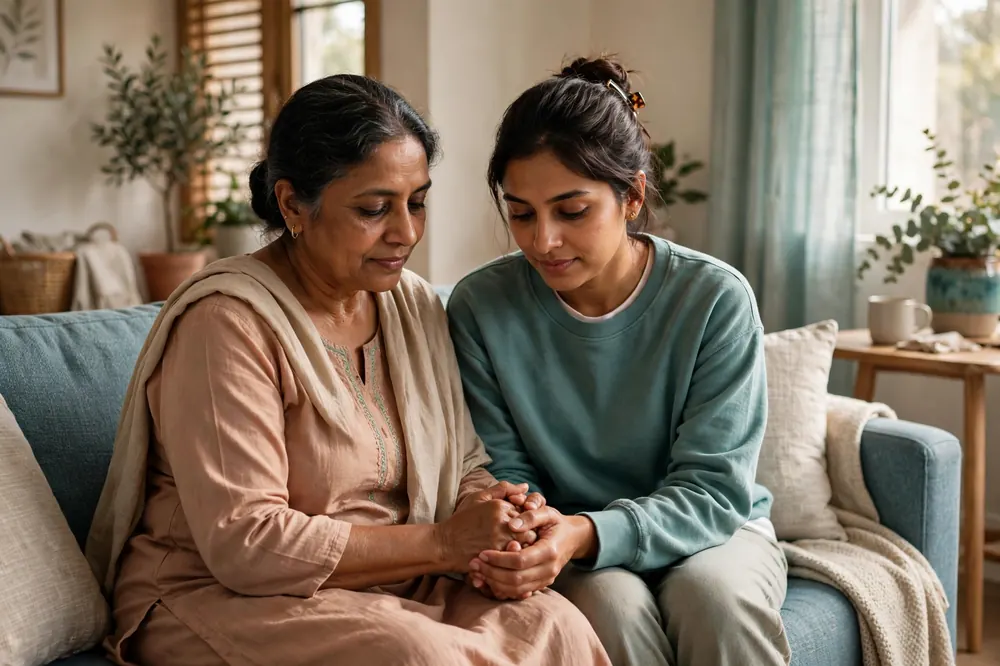
At a glance — Grief and Bereavement
- What it is
- Grief is the natural response to losing someone (or something) deeply important. Bereavement is the period of grief after a death.शोक भनेको गहिरो महत्त्वको कसैलाई (वा केही) गुमाउँदाको प्राकृतिक प्रतिक्रिया हो। वियोग भनेको मृत्युपछिको शोकको अवधि हो।
- Key symptoms
- Waves of sadness and yearning, tears, poor sleep and appetite, difficulty concentrating, and gradual — not straight-line — easing over time.उदासी र सम्झनाका छाल, आँसु, निद्रा र भोक कमजोर, ध्यान दिन कठिनाइ, र समयसँग क्रमिक — सिधा रेखामा होइन — हल्का हुँदै जाने।
- When to seek help
- Most grief softens with time and support. Seek professional help if grief stays as intense as day one for many months, or if depression, self-neglect or thoughts of self-harm appear.धेरैजसो शोक समय र सहयोगसँगै नरम हुन्छ। शोक धेरै महिनासम्म पहिलो दिनजत्तिकै तीव्र रहे, वा डिप्रेसन, आत्म-उपेक्षा वा आफूलाई हानि गर्ने सोच आए व्यावसायिक मद्दत लिनुहोस्।
Overviewपरिचय
Grief is the price of love, and it is not a disorder. After a death, most people move through waves of intense pain that gradually become less frequent, while life slowly rebuilds around the loss. There is no correct timetable and no 'stage' everyone must pass. Grief can also follow other losses — a relationship, health, a home, a migration that separates families. Support becomes important when grief remains stuck at full intensity, when it merges with depression, or when daily functioning collapses. Clinicians call the stuck form prolonged grief disorder, and it has specific, effective therapy.
शोक मायाको मूल्य हो, र यो विकार होइन। मृत्युपछि, धेरैजसो मानिस तीव्र पीडाका छालहरूबाट गुज्रन्छन् जुन क्रमिक रूपमा कम हुँदै जान्छन्, जबकि जीवन बिस्तारै क्षतिको वरिपरि पुनः बन्छ। सही समयतालिका छैन र सबैले पार गर्नुपर्ने 'चरण' पनि छैन। शोक अन्य क्षतिपछि पनि आउन सक्छ — सम्बन्ध, स्वास्थ्य, घर, परिवार छुट्याउने बसाइँसराइ। शोक पूर्ण तीव्रतामा अड्किएमा, डिप्रेसनसँग मिसिएमा, वा दैनिक काम ढलेमा सहयोग महत्त्वपूर्ण हुन्छ। चिकित्सकहरूले अड्किएको रूपलाई prolonged grief disorder भन्छन्, र यसको विशिष्ट, प्रभावकारी थेरापी छ।
Symptomsलक्षणहरू
- Waves of intense sadness, often triggered by remindersसम्झना गराउने कुराले उब्जने तीव्र उदासीका छाल
- Yearning or preoccupation with the person who diedबितेको व्यक्तिप्रतिको तृष्णा वा मन त्यतै अल्झिरहने
- Tears, tightness in the chest, sighingआँसु, छाती कसिने, सुस्केरा
- Poor sleep, low appetite, exhaustionनिद्रा कमजोर, भोक कम, थकान
- Difficulty concentrating or enjoying anythingध्यान दिन वा केहीमा आनन्द लिन कठिनाइ
- Feeling numb, detached or that life is meaningless (in prolonged grief)सुन्नता, अलगाव वा जीवन अर्थहीन लाग्ने (prolonged grief मा)
- Avoiding places or people that bring remindersसम्झना गराउने ठाउँ वा मानिसबाट टाढिने
Causes & risk factorsकारण र जोखिम कारकहरू
Grief follows loss, and its intensity reflects the closeness of the bond, the circumstances of the death (sudden, traumatic or after long illness), previous losses, and the support around the person. Risk factors for prolonged grief include a very close or dependent relationship, violent or unexpected death, limited social support, and a history of depression or anxiety.
शोक क्षतिपछि आउँछ, र यसको तीव्रताले सम्बन्धको निकटता, मृत्युको परिस्थिति (आकस्मिक, आघातजन्य वा लामो बिरामीपछि), अघिल्ला क्षति, र व्यक्तिको वरिपरिको सहयोगलाई झल्काउँछ। Prolonged grief का जोखिम कारकमा धेरै निकट वा निर्भर सम्बन्ध, हिंसात्मक वा अप्रत्याशित मृत्यु, सीमित सामाजिक सहयोग, र डिप्रेसन वा चिन्ताको इतिहास पर्छन्।
How it is diagnosedनिदान कसरी हुन्छ
Grief itself needs no diagnosis. A clinician becomes involved when the picture suggests prolonged grief disorder — intense yearning and preoccupation persisting well beyond what the person's culture expects, with real difficulty re-engaging with life — or when depression, PTSD or substance use has developed alongside. The assessment is a careful conversation, including about safety.
शोक आफैंलाई निदान चाहिँदैन। तस्वीरले prolonged grief disorder संकेत गरेमा चिकित्सक संलग्न हुन्छन् — व्यक्तिको संस्कृतिले अपेक्षा गरेभन्दा धेरै परसम्म टिक्ने तीव्र तृष्णा र अल्झाइ, जीवनमा फेरि जोडिन वास्तविक कठिनाइसहित — वा सँगै डिप्रेसन, PTSD वा पदार्थ प्रयोग विकसित भएमा। मूल्याङ्कन सुरक्षाबारे समेतको सावधान कुराकानी हो।
Treatment optionsउपचारका विकल्पहरू
Most grief needs support, not treatment: family, community, rituals and time. There is no medicine for grief itself, and sedatives are generally avoided because they can blunt the grieving process. When prolonged grief disorder or depression is present, specific grief-focused therapy helps people process the death and rebuild a life that holds both the loss and the future; depression, when present, is treated in its own right.
धेरैजसो शोकलाई उपचार होइन, सहयोग चाहिन्छ: परिवार, समुदाय, संस्कार र समय। शोक आफैंका लागि औषधि छैन, र शान्त पार्ने औषधि सामान्यतया टाढा राखिन्छ किनकि यसले शोक प्रक्रियालाई मन्द बनाउन सक्छ। Prolonged grief disorder वा डिप्रेसन उपस्थित हुँदा, शोक-केन्द्रित विशिष्ट थेरापीले मृत्युलाई प्रक्रिया गर्न र क्षति र भविष्य दुवै समेट्ने जीवन पुनः बनाउन मद्दत गर्छ; डिप्रेसन उपस्थित भएमा त्यसको आफ्नै उपचार हुन्छ।
Living with it — self-careयससँग जीवन — आत्म-हेरचाह
Be patient with yourself: grief is work, and energy is limited. Keep small routines; accept help concretely offered ('yes, please bring food'); expect setbacks on anniversaries and festivals; talk about the person if it helps; rest when waves pass. If you are supporting someone grieving, presence beats advice — say their person's name, listen, and keep showing up after the first weeks, when others drift away.
आफूप्रति धैर्य राख्नुहोस्: शोक काम हो, र ऊर्जा सीमित हुन्छ। साना दिनचर्या राख्नुहोस्; ठोस रूपमा दिइएको मद्दत स्वीकार गर्नुहोस् ('हुन्छ, कृपया खाना ल्याइदिनुहोस्'); वार्षिक तिथि र चाडपर्वमा झट्का अपेक्षा गर्नुहोस्; मद्दत गर्छ भने व्यक्तिबारे कुरा गर्नुहोस्; छाल बितेपछि आराम गर्नुहोस्। शोकमा परेकालाई सहयोग गर्दै हुनुहुन्छ भने उपस्थिति सल्लाहभन्दा ठूलो हुन्छ — उनीहरूको व्यक्तिको नाम लिनुहोस्, सुन्नुहोस्, र अरू टाढिएपछि पनि पहिलो हप्तापछि समेत देखिइरहनुहोस्।
When to seek help urgentlyकहिले तुरुन्त मद्दत खोज्ने
Seek help promptly if grief comes with inability to eat, sleep or care for yourself or children, heavy alcohol or drug use to cope, or any thoughts of joining the person who died or of harming yourself — see the crisis box.
शोकसँगै खान, निदाउन वा आफ्नो वा बच्चाको हेरचाह गर्न नसक्ने अवस्था, सामना गर्न भारी रक्सी वा लागूपदार्थ प्रयोग, वा बितेको व्यक्तिसँग जोडिने वा आफूलाई हानि गर्ने सोच आए चाँडै मद्दत लिनुहोस् — संकट बाकस हेर्नुहोस्।
Myth vs factभ्रम र तथ्य
Myth: There is a right way and a right length of time to grieve.
Fact: Grief has no timetable and no single shape — it differs by person, relationship and culture. What matters is the trajectory: over time, most people find the pain softening and life re-expanding; if it does not, help exists and works.
शोक मनाउने सही तरिका र सही अवधि हुन्छ। — शोकको कुनै समयतालिका र एउटै आकार हुँदैन — यो व्यक्ति, सम्बन्ध र संस्कृतिअनुसार फरक हुन्छ। महत्त्वपूर्ण भनेको गति हो: समयसँगै धेरैजसो मानिसले पीडा नरम हुँदै र जीवन फेरि फैलिँदै गएको पाउँछन्; भएन भने मद्दत छ र काम गर्छ।
Find a psychiatrist in Nepalनेपालमा मनोचिकित्सक खोज्नुहोस्
Browse psychiatrists across Nepal in the NepalDoc directory and choose the care that fits you.
NepalDoc निर्देशिकामा नेपालभरका मनोचिकित्सकहरू हेर्नुहोस् र आफूलाई मिल्ने हेरचाह छान्नुहोस्।
Frequently asked questionsबारम्बार सोधिने प्रश्नहरू
How long does grief last?शोक कति समय टिक्छ?
There is no fixed duration. Intense waves usually become less frequent over months, though grief never fully 'ends' — it changes form as life rebuilds. If intensity is undiminished after many months and life cannot re-engage, ask about prolonged grief disorder.
निश्चित अवधि छैन। तीव्र छालहरू सामान्यतया महिनौंपछि कम हुँदै जान्छन्, तर शोक पूर्ण रूपमा 'सकिँदैन' — जीवन पुनः बन्दै जाँदा यसको रूप बदलिन्छ। धेरै महिनापछि पनि तीव्रता उस्तै रहे र जीवनमा जोडिन नसके prolonged grief disorder बारे सोध्नुहोस्।
Is it normal to feel relief when someone dies after a long illness?लामो बिरामीपछि कसैको मृत्युमा राहत महसुस हुनु सामान्य हो?
Yes. Relief that suffering has ended — theirs and the family's — is a common, human reaction and says nothing bad about your love for them. Relief and grief often sit side by side.
हो। पीडा सकिएकोमा राहत — उनीहरूको र परिवारको — सामान्य, मानवीय प्रतिक्रिया हो र उनीहरूप्रतिको तपाईंको मायाबारे केही नराम्रो भन्दैन। राहत र शोक प्रायः सँगसँगै बस्छन्।
Should children be shielded from grief and funerals?बच्चालाई शोक र अन्त्येष्टिबाट टाढा राख्नु पर्छ?
Children grieve too, in shorter bursts and often through behaviour. Honest, simple explanations and being included in rituals in an age-appropriate way usually help more than silence, which can frighten.
बच्चा पनि शोक गर्छन्, छोटा झोंकमा र प्रायः व्यवहारमार्फत। इमानदार, सरल व्याख्या र उमेरअनुसार संस्कारमा समावेश हुनुले सामान्यतया मौनताभन्दा बढी मद्दत गर्छ, किनकि मौनताले डराउन सक्छ।
Related conditionsसम्बन्धित अवस्थाहरू
Informational only — not medical adviceजानकारीका लागि मात्र — चिकित्सकीय सल्लाह होइन
This guide is general education, not a diagnosis or personal treatment plan. A qualified clinician should assess your symptoms and medical history.
यो मार्गदर्शन सामान्य शिक्षाका लागि हो, निदान वा व्यक्तिगत उपचार योजना होइन। योग्य चिकित्सकले तपाईंका लक्षण र स्वास्थ्य इतिहास मूल्याङ्कन गर्नुपर्छ।