Heart health / मुटुको स्वास्थ्य
A heart attack happens when blood flow to part of the heart muscle is blocked. It is a medical emergency, and getting help fast can save a life.मुटुको एउटा भागमा रगतको प्रवाह रोकिँदा हृदयघात हुन्छ। यो एक चिकित्सा आपत्काल हो, र छिटो मद्दत पाउँदा ज्यान बच्न सक्छ।
Written in plain language by the NepalDoc team for general education. Facts are checked against the primary sources listed at the end of this page.
यो पृष्ठ नेपालडक टोलीले सामान्य शिक्षाका लागि सरल भाषामा लेखेको हो। तथ्यहरू यस पृष्ठको अन्त्यमा दिइएका प्राथमिक स्रोतहरूसँग जाँचिएका छन्।
Clinical review: pendingClinical review: pending — this page has not yet been signed off by a named clinician. When a review happens, the reviewer's name and the date will appear here.
क्लिनिकल समीक्षा बाँकी छ — यो पृष्ठ अझै नाम तोकिएका चिकित्सकबाट स्वीकृत भएको छैन। समीक्षा भएपछि समीक्षकको नाम र मिति यहाँ देखिनेछ।
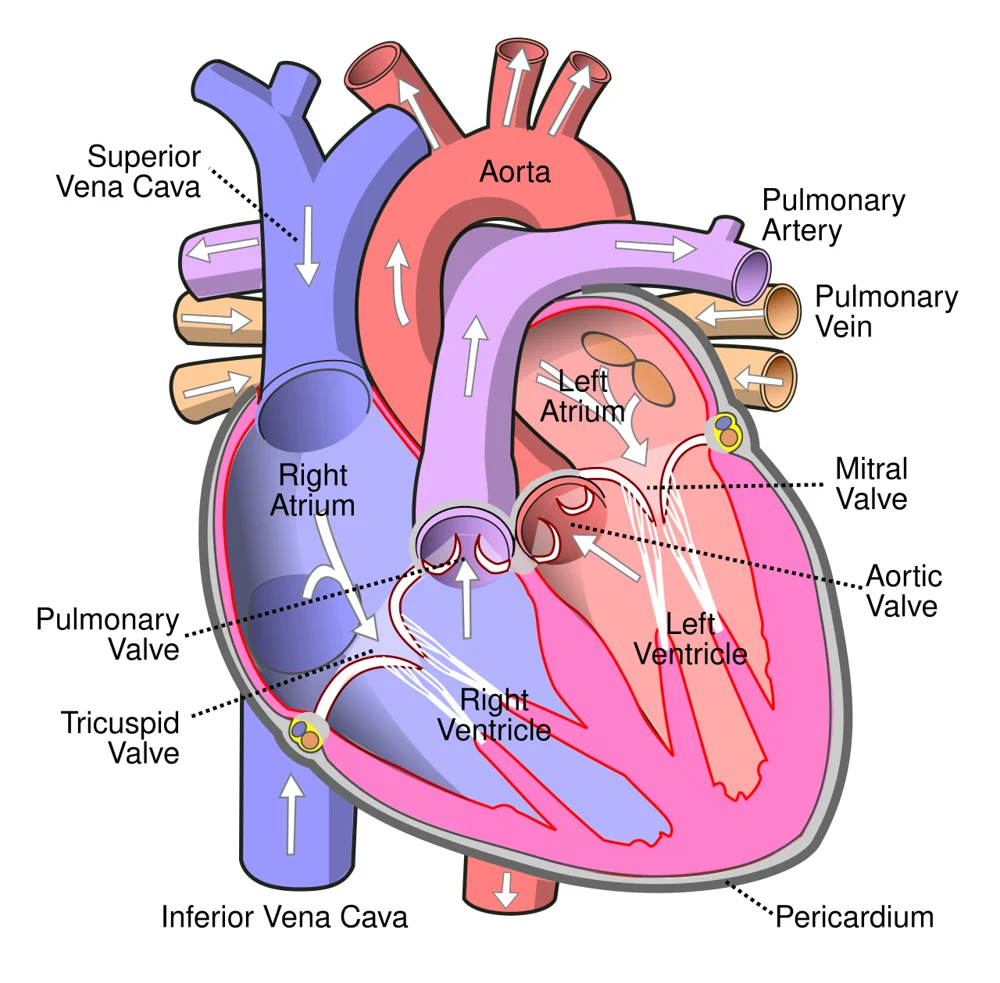
The heart is a muscle, and like every muscle it needs oxygen-rich blood to work. That blood travels through small vessels called coronary arteries. When one of these arteries is suddenly blocked, the heart muscle beyond the blockage starts to be starved of oxygen. If the blockage is not cleared quickly, that part of the muscle can be damaged or die. The American Heart Association describes a heart attack as a circulation problem: blood flow to the heart is blocked.
मुटु एउटा मांसपेशी हो, र हरेक मांसपेशीजस्तै यसलाई काम गर्न अक्सिजनयुक्त रगत चाहिन्छ। त्यो रगत कोरोनरी धमनी भनिने साना नलीहरूबाट बग्छ। यीमध्ये एउटा धमनी अचानक बन्द हुँदा, त्यसपछि रहेको मुटुको मांसपेशीमा अक्सिजन पुग्न छोड्छ। बन्द भएको भाग छिटो नखुलाए त्यस मांसपेशीमा क्षति पुग्न सक्छ वा त्यो भाग मर्न सक्छ। अमेरिकन हार्ट एसोसिएसनले हृदयघातलाई रगतको प्रवाहको समस्या भन्छ: मुटुमा रगत पुग्न रोकिन्छ।
Most heart attacks are caused by a build-up of fatty material, called plaque, inside the artery walls. The plaque can narrow the artery over many years. If the surface of the plaque breaks open, the body tries to repair it by forming a blood clot. That clot can block the artery completely. A heart attack is not the same as a cardiac arrest, when the heart suddenly stops beating, although a heart attack can sometimes lead to one.
धेरैजसो हृदयघात धमनीको भित्ताभित्र प्लाक भनिने बोसोयुक्त पदार्थ जम्मा भएर हुन्छ। प्लाकले धेरै वर्षसम्म धमनीलाई साँघुरो बनाउँछ। प्लाकको सतह फुट्यो भने शरीरले त्यसलाई मर्मत गर्न रगत जमाउने कोसिस गर्छ। त्यो जमेको रगतले धमनीलाई पूर्ण रूपमा बन्द गर्न सक्छ। हृदयघात र हृदय रोकिनु (कार्डियाक अरेस्ट) एउटै होइन — कार्डियाक अरेस्टमा मुटु अचानक धड्किन छोड्छ — तर हृदयघातले कहिलेकाहीँ त्यस अवस्थासम्म पुर्याउन सक्छ।
In an emergency, call 102 for an ambulance.
आपत्कालीन अवस्थामा एम्बुलेन्सका लागि १०२ मा फोन गर्नुहोस्।
The usual cause is coronary artery disease: fatty plaque builds up in the arteries that feed the heart, narrowing them over time. When plaque breaks open, a blood clot forms and can block the flow of blood. Less often, a heart attack can be caused by a sudden spasm that squeezes an artery shut, or by a tear in the artery wall.
सामान्य कारण कोरोनरी धमनीको रोग हो: मुटुलाई रगत पुर्याउने धमनीहरूमा बोसोयुक्त प्लाक जम्मा भएर समयसँगै धमनी साँघुरा हुँदै जान्छन्। प्लाक फुट्यो भने रगत जम्छ र रगतको प्रवाह बन्द हुन सक्छ। कहिलेकाहीँ धमनी अचानक खुम्चिनु वा धमनीको भित्ता च्यातिनुले पनि हृदयघात हुन सक्छ।
Several things raise the risk over the years: high blood pressure, high cholesterol, smoking, diabetes, being less active, carrying extra weight, a diet high in salt and fried or fatty food, heavy alcohol use, and a close family member who had heart disease early in life. Age also matters, and risk rises for everyone as the years pass. Having one of these risks does not mean a heart attack will happen, but having several together raises the chance.
केही कुराले वर्षौंसम्म जोखिम बढाउँछन्: उच्च रक्तचाप, उच्च कोलेस्ट्रोल, धूम्रपान, मधुमेह, कम हिँडडुल, बढी तौल, नुन र तारेको वा बोसोयुक्त खाना बढी खानु, धेरै मदिरा पिउनु, र परिवारको नजिकको सदस्यलाई कम उमेरमा मुटुको रोग हुनु। उमेरले पनि फरक पार्छ, र उमेर बढ्दै जाँदा सबैको जोखिम बढ्छ। एउटा जोखिम हुनुको अर्थ हृदयघात नै हुन्छ भन्ने होइन, तर धेरै जोखिम सँगै भए सम्भावना बढ्छ।
Call 102 at once if you think you or someone near you may be having a heart attack. Do not drive yourself to hospital. Emergency staff can begin care on the way and alert the hospital, and the American Heart Association notes that ambulance care can start up to an hour sooner than arriving by car. Chew nothing and take no medicine on your own; emergency staff may give medicine, including aspirin, when they arrive if it is right for you.
तपाईंलाई वा तपाईंको नजिकको कसैलाई हृदयघात भएको हुन सक्छ भन्ने लागेमा तुरुन्तै १०२ मा फोन गर्नुहोस्। आफैं गाडी चलाएर अस्पताल नजानुहोस्। आपत्कालीन कर्मचारीले बाटोमै हेरचाह सुरु गर्न र अस्पताललाई खबर गर्न सक्छन्, र अमेरिकन हार्ट एसोसिएसनका अनुसार एम्बुलेन्सबाट पुग्दा उपचार कारबाट पुग्नुभन्दा एक घण्टासम्म छिटो सुरु हुन सक्छ। आफैं कुनै औषधि नखानुहोस्; तपाईंलाई उपयुक्त भए आपत्कालीन कर्मचारीले आइपुगेपछि एस्पिरिनसहितको औषधि दिन सक्छन्।
See a doctor soon, even if the symptoms have eased, if you have had chest discomfort before, or if you have risk factors such as high blood pressure, high cholesterol, diabetes or smoking. A check-up can find the cause and lower the chance of a bigger event.
लक्षणहरू कम भए पनि, पहिले छाती असहज भएको भए, वा उच्च रक्तचाप, उच्च कोलेस्ट्रोल, मधुमेह वा धूम्रपानजस्ता जोखिम भए चाँडै डाक्टरलाई भेट्नुहोस्। जाँचले कारण पत्ता लगाउन र ठूलो घटना हुने सम्भावना घटाउन सक्छ।
In hospital, the team will usually record the heart's electrical activity with an electrocardiogram (ECG), which can show whether the heart muscle is being starved of blood. Blood tests look for substances released when heart muscle is damaged. The team also checks blood pressure, oxygen levels and the pulse, and asks about the pain and your health history.
अस्पतालमा टोलीले सामान्यतया इलेक्ट्रोकार्डियोग्राम (ECG) बाट मुटुको विद्युतीय गतिविधि जाँच्छ, जसले मुटुको मांसपेशीमा रगत पुगिरहेको छ कि छैन देखाउन सक्छ। रगत जाँचले मुटुको मांसपेशीमा क्षति हुँदा निस्कने पदार्थहरू हेर्छ। टोलीले रक्तचाप, अक्सिजनको मात्रा र नाडी पनि जाँच्छ, र दुखाइ तथा तपाईंको स्वास्थ्य इतिहासबारे सोध्छ।
If the picture is still unclear, the doctor may order a heart ultrasound, which shows how the heart moves and pumps, or a coronary angiography, where dye is used to show the arteries on an X-ray. These tests help the team see where the blockage is and how much muscle is affected.
तस्बिर अझै स्पष्ट नभए डाक्टरले मुटुको अल्ट्रासाउन्ड गर्न सक्नुहुन्छ, जसले मुटु कसरी चल्छ र रगत कसरी पम्प गर्छ भन्ने देखाउँछ, वा कोरोनरी एन्जियोग्राफी गर्न सक्नुहुन्छ, जसमा रङ प्रयोग गरेर एक्स-रेमा धमनीहरू देखाइन्छ। यी जाँचले बन्द भएको ठाउँ कहाँ छ र कति मांसपेशी प्रभावित छ भन्ने बुझ्न टोलीलाई मद्दत गर्छन्।
The first goal is to restore blood flow to the heart as fast as possible. In hospital this may mean medicines that prevent new clots, ease the heart's work and protect it from further damage, and oxygen if levels are low. Some people need a procedure to open the blocked artery, such as angioplasty with a stent, where a small tube widens the artery and holds it open, or bypass surgery in selected cases. The right choice depends on where the blockage is and how the person is doing.
पहिलो लक्ष्य मुटुमा रगतको प्रवाह सकेसम्म छिटो फर्काउनु हो। अस्पतालमा यसका लागि नयाँ रगत जम्न नदिने, मुटुको काम हल्का गर्ने र थप क्षतिबाट जोगाउने औषधिहरू, र अक्सिजन कम भए अक्सिजन दिन सकिन्छ। केही मानिसलाई बन्द भएको धमनी खोल्ने प्रक्रिया चाहिन्छ, जस्तै स्टेन्टसहितको एन्जियोप्लास्टी, जसमा सानो नलीले धमनीलाई फराकिलो बनाएर खुला राख्छ, वा छानिएका अवस्थामा बाइपास शल्यक्रिया। कुन उपचार उपयुक्त हुन्छ भन्ने कुरा बन्द भएको ठाउँ र व्यक्तिको अवस्थामा निर्भर गर्छ।
After the emergency, care turns to healing and prevention: medicines to lower cholesterol and blood pressure, blood-thinning medicines, and a supervised programme of gentle activity called cardiac rehabilitation. The hospital team will explain each medicine and what it is for. Never stop a heart medicine on your own — ask your doctor first.
आपत्कालपछि हेरचाह निको हुनु र फेरि नहुनुतिर मोडिन्छ: कोलेस्ट्रोल र रक्तचाप घटाउने औषधि, रगत पातलो पार्ने औषधि, र कार्डियाक पुनर्स्थापना भनिने निगरानीमा गरिने हल्का गतिविधिको कार्यक्रम। अस्पतालको टोलीले प्रत्येक औषधि केका लागि हो भनेर बुझाउँछ। मुटुको औषधि आफैं कहिल्यै नछोड्नुहोस् — पहिले आफ्नो डाक्टरलाई सोध्नुहोस्।
Life after a heart attack often means a new routine, and it can be done step by step. Take medicines exactly as prescribed, keep follow-up visits, walk a little more each day as your doctor advises, and eat with less salt, less fried food and more vegetables, fruit and whole grains. If you smoke, stopping is the single most powerful step you can take — ask your doctor for help to quit.
हृदयघातपछि जीवनमा प्रायः नयाँ दिनचर्या बन्छ, र त्यो बिस्तारै गर्न सकिन्छ। औषधि तोकिएअनुसार नै खानुहोस्, फलो-अप भेटघाटमा जानुहोस्, डाक्टरको सल्लाहअनुसार हरेक दिन अलि बढी हिँड्नुहोस्, र कम नुन, कम तारेको खाना तथा बढी तरकारी, फलफूल र साबुत अन्न खानुहोस्। धूम्रपान गर्नुहुन्छ भने छोड्नु सबैभन्दा शक्तिशाली कदम हो — छोड्न मद्दतका लागि डाक्टरलाई सोध्नुहोस्।
It is normal to feel worried or low in the weeks after a heart attack. Talk with family, friends or your doctor about how you feel, and return to work and daily life at the pace your doctor suggests. Keep a simple note of your blood pressure and weight, and call for help at once if chest discomfort returns.
हृदयघातपछिका हप्ताहरूमा चिन्ता वा निराश महसुस हुनु सामान्य हो। आफूलाई कस्तो लागिरहेको छ भन्ने कुरा परिवार, साथी वा डाक्टरसँग कुरा गर्नुहोस्, र डाक्टरले सुझाएको गतिमा काम र दैनिक जीवनमा फर्कनुहोस्। आफ्नो रक्तचाप र तौलको साधारण नोट राख्नुहोस्, र छाती असहज भए फेरि तुरुन्तै मद्दतका लागि फोन गर्नुहोस्।
Much of the risk can be lowered by steady habits: do not smoke, move your body most days, keep a healthy weight, and eat less salt and fried food. Check your blood pressure, cholesterol and blood sugar, and treat them if your doctor advises it. If a close family member had heart disease young, tell your doctor — you may need checks earlier.
धेरैजसो जोखिम स्थिर बानीले घटाउन सकिन्छ: धूम्रपान नगर्नुहोस्, धेरैजसो दिन शरीर चलाउनुहोस्, स्वस्थ तौल राख्नुहोस्, र कम नुन र कम तारेको खाना खानुहोस्। आफ्नो रक्तचाप, कोलेस्ट्रोल र रगतमा चिनी जाँच गर्नुहोस्, र डाक्टरले सल्लाह दिनुभए उपचार गर्नुहोस्। परिवारको नजिकको सदस्यलाई कम उमेरमा मुटुको रोग भएको भए डाक्टरलाई भन्नुहोस् — तपाईंलाई छिटो जाँच चाहिन सक्छ।
Know the warning signs and share them with your family, so everyone acts fast if they appear. Keep the emergency number 102 saved in your phone, and know which hospital near you can treat a heart emergency at any hour.
चेतावनीका लक्षणहरू जान्नुहोस् र परिवारसँग बाँड्नुहोस्, ताकि देखा परे सबैले छिटो कदम चालून्। आपत्कालीन नम्बर १०२ आफ्नो फोनमा सेभ गरेर राख्नुहोस्, र तपाईंको नजिकको कुन अस्पतालले जुनसुकै बेला मुटुको आपत्काल उपचार गर्न सक्छ भन्ने जान्नुहोस्।
Myth: A heart attack always comes with sudden, severe chest pain. Fact: Many heart attacks start slowly, with mild discomfort that comes and goes. The American Heart Association warns that some people wait too long because the pain is not dramatic — any lasting chest discomfort deserves an emergency call.
भ्रम: हृदयघात हुँदा सधैं अचानक कडा छाती दुख्छ। तथ्य: धेरै हृदयघात बिस्तारै सुरु हुन्छन्, हल्का असहजतासँग जुन आउँछ र जान्छ। अमेरिकन हार्ट एसोसिएसनले चेतावनी दिन्छ कि दुखाइ नाटकीय नहुँदा केही मानिसहरू धेरै पर्खन्छन् — लामो समय रहने कुनै पनि छातीको असहजतामा आपत्कालीन फोन गर्नुपर्छ।
Myth: Only older men get heart attacks. Fact: Heart attacks can affect women and younger adults too. Women often have the same chest discomfort as men, but may also notice shortness of breath, nausea, or back or jaw pain more strongly.
भ्रम: हृदयघात बूढा पुरुषलाई मात्र हुन्छ। तथ्य: हृदयघात महिला र कम उमेरका वयस्कलाई पनि हुन सक्छ। महिलामा पुरुषजस्तै छातीको असहजता हुन्छ, तर सास फेर्न गाह्रो हुनु, वाकवाकी लाग्नु, वा ढाड वा बङ्गाराको दुखाइ बढी देखिन सक्छ।
A heart attack is a blockage stopping blood reaching part of the heart. A cardiac arrest is when the heart suddenly stops beating. A heart attack can lead to one, but they are different.
हृदयघात भनेको मुटुको भागमा रगत पुग्न रोक्ने बन्द हुनु हो। कार्डियाक अरेस्ट भनेको मुटु अचानक धड्किन छोड्नु हो। हृदयघातले त्यो गराउन सक्छ, तर ती फरक हुन्।
Do not take medicine on your own. Call 102 first. Emergency staff may give aspirin when they arrive, if it is safe for you.
आफैं औषधि नखानुहोस्। पहिले १०२ मा फोन गर्नुहोस्। तपाईंलाई सुरक्षित भए आपत्कालीन कर्मचारीले आइपुगेपछि एस्पिरिन दिन सक्छन्।
Yes. Some people notice mainly breathlessness, nausea, sweating, jaw or back pain, or unusual tiredness. These still need emergency help.
हो। केही मानिसले मुख्य रूपमा सास फेर्न गाह्रो हुनु, वाकवाकी, पसिना, बङ्गारा वा ढाड दुखाइ, वा असामान्य थकाइ महसुस गर्छन्। यिनमा पनि आपत्कालीन मद्दत चाहिन्छ।
The team checks the heart with an ECG and blood tests, restores blood flow, and gives medicines to protect the heart.
टोलीले ECG र रगत जाँचबाट मुटु हेर्छ, रगतको प्रवाह फर्काउँछ, र मुटु जोगाउने औषधि दिन्छ।
Many people do, with medicines, check-ups, gentle activity and healthier habits. Your doctor will guide the pace of returning to work and exercise.
धेरै मानिसले औषधि, जाँच, हल्का गतिविधि र स्वस्थ बानीसँग सामान्य जीवन बिताउँछन्। काम र व्यायाममा फर्कने गति डाक्टरले मार्गदर्शन गर्नुहुन्छ।
Facts on this page were checked against these sources in November 2026.
यस पृष्ठका तथ्यहरू नोभेम्बर २०२६ मा यी स्रोतहरूसँग जाँचिएका हुन्।
यो मार्गदर्शन सामान्य शिक्षाका लागि हो, निदान वा व्यक्तिगत उपचार योजना होइन। योग्य चिकित्सकले तपाईंका लक्षण र स्वास्थ्य इतिहास मूल्याङ्कन गर्नुपर्छ।
यो मार्गदर्शन सामान्य शिक्षाका लागि हो, निदान वा व्यक्तिगत उपचार योजना होइन। योग्य चिकित्सकले तपाईंका लक्षण र स्वास्थ्य इतिहास मूल्याङ्कन गर्नुपर्छ।
Every NepalDoc section, one tap away.
