Infection — act the same day / संक्रमण — त्यही दिन कदम चाल्नुहोस्
Rabies is a virus that attacks the brain, spread mainly through dog bites. Once symptoms appear it is almost always fatal — but prompt wound washing and vaccine after a bite prevent it.रेबिज मस्तिष्कमा आक्रमण गर्ने भाइरस हो, मुख्य रूपमा कुकुरको टोकाइबाट सर्ने। लक्षण देखिएपछि यो लगभग सधैं घातक हुन्छ — तर टोकाइपछि तुरुन्तै घाउ धुनु र खोप लगाउनुले यसलाई रोक्छ।
Written in plain language by the NepalDoc team for general education. Facts are checked against the primary sources listed at the end of this page.
यो पृष्ठ नेपालडक टोलीले सामान्य शिक्षाका लागि सरल भाषामा लेखेको हो। तथ्यहरू यस पृष्ठको अन्त्यमा दिइएका प्राथमिक स्रोतहरूसँग जाँचिएका छन्।
Clinical review: pendingClinical review: pending — this page has not yet been signed off by a named clinician. When a review happens, the reviewer's name and the date will appear here.
क्लिनिकल समीक्षा बाँकी छ — यो पृष्ठ अझै नाम तोकिएका चिकित्सकबाट स्वीकृत भएको छैन। समीक्षा भएपछि समीक्षकको नाम र मिति यहाँ देखिनेछ।
Rabies is a viral disease that attacks the brain and spinal cord. After the virus enters the body, usually through a bite, it travels slowly along the nerves towards the brain. This journey takes time — the typical incubation period is 2 to 3 months, WHO says, though it can be shorter than a week or as long as a year, depending on where the bite is and how much virus entered.
रेबिज मस्तिष्क र मेरुदण्डमा आक्रमण गर्ने भाइरसजन्य रोग हो। भाइरस शरीरमा छिरेपछि, सामान्यतया टोकाइबाट, यो स्नायु हुँदै बिस्तारै मस्तिष्कतिर जान्छ। यो यात्रामा समय लाग्छ — सामान्य सुषुप्त अवधि २ देखि ३ महिना हुन्छ भनी WHO भन्छ, तर टोकाइ कहाँ छ र कति भाइरस छिर्यो भन्ने आधारमा यो एक हप्ताभन्दा कम वा एक वर्षसम्म पनि हुन सक्छ।
During that quiet period the person feels completely well, and this is the window when vaccine can stop the virus. Once the virus reaches the brain and symptoms appear, rabies is virtually 100% fatal, WHO states. That harsh fact is also the reason for hope: rabies is almost entirely preventable if wound care and vaccine are given promptly after an exposure.
त्यो शान्त अवधिमा व्यक्ति पूर्ण रूपमा स्वस्थ महसुस गर्छ, र खोपले भाइरस रोक्न सक्ने समय यही हो। भाइरस मस्तिष्कमा पुगेर लक्षण देखिएपछि, रेबिज लगभग १००% घातक हुन्छ भनी WHO भन्छ। त्यो कठोर तथ्य नै आशाको कारण पनि हो: सम्पर्कपछि तुरुन्तै घाउको हेरचाह र खोप दिइए रेबिज लगभग पूर्ण रूपमा रोक्न सकिन्छ।
In an emergency, call 102 for an ambulance.
आपत्कालीन अवस्थामा एम्बुलेन्सका लागि १०२ मा फोन गर्नुहोस्।
Rabies spreads through the saliva of an infected animal, usually through a bite, and sometimes through a scratch or a lick on broken skin or the eyes and mouth. Dogs cause the great majority of human cases — WHO states that dog bites and scratches cause 99% of human rabies cases. In Nepal, dogs are the main source to protect against, and monkeys, cats and other mammals can also carry the virus.
रेबिज संक्रमित जनावरको र्यालबाट सर्छ, सामान्यतया टोकाइबाट, र कहिलेकाहीँ खोर्नु वा फुटेको छाला वा आँखा र मुखमा चाट्नुबाट पनि सर्छ। मानिसका धेरैजसो घटना कुकुरले गराउँछन् — कुकुरको टोकाइ र खोर्नुले मानिसका ९९% रेबिज घटना हुन्छन् भनी WHO भन्छ। नेपालमा कुकुर नै मुख्य स्रोत हो जसबाट जोगिनुपर्छ, र बाँदर, बिरालो तथा अन्य स्तनधारी जनावरले पनि भाइरस बोक्न सक्छन्।
Not every animal bite means rabies. The risk is highest when the animal is stray, unvaccinated, behaving oddly — unusually aggressive, drooling, or unusually tame — or cannot be observed afterwards. Because you cannot tell by looking whether an animal is infected, every bite that breaks the skin should be assessed the same day.
हरेक जनावरको टोकाइको अर्थ रेबिज हुन्छ भन्ने होइन। जनावर छाडा, खोप नलगाएको, असामान्य व्यवहार गर्ने — असामान्य रूपमा आक्रामक, र्याल चुहाउने, वा असामान्य रूपमा शान्त — वा पछि हेर्न नसकिने अवस्थामा जोखिम सबैभन्दा बढी हुन्छ। जनावर संक्रमित छ कि छैन हेरेर मात्र थाहा हुँदैन, त्यसैले छाला फुटाउने हरेक टोकाइलाई त्यही दिन जाँच गराउनुपर्छ।
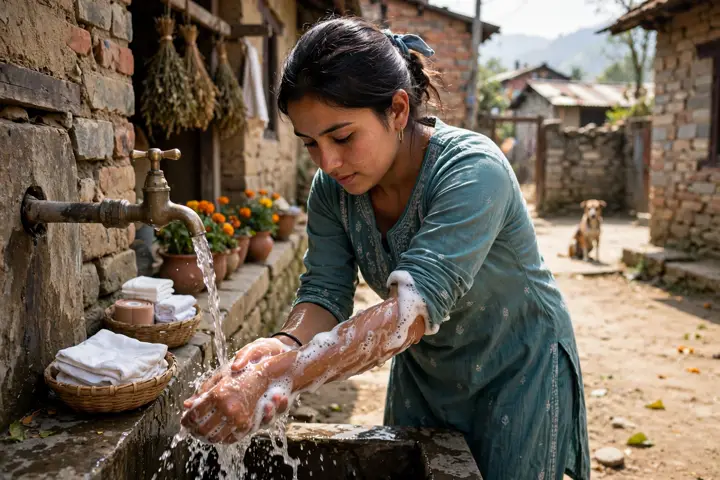
See a doctor the same day — today, not tomorrow — after any bite or scratch that breaks the skin, any lick on broken skin, or any contact with a bat. First, wash the wound at once with soap and running water for at least 15 minutes, WHO advises, then go. Do not wait to see whether the animal looks sick, and do not wait for symptoms: once symptoms appear, rabies is virtually always fatal, but prompt post-exposure care prevents it.
छाला फुटाउने कुनै पनि टोकाइ वा खोर्नुपछि, फुटेको छालामा चाटिएपछि, वा चमेरोसँग कुनै सम्पर्क भएपछि त्यही दिन — भोलि होइन, आजै — डाक्टरलाई भेट्नुहोस्। पहिले, WHO को सल्लाहअनुसार घाउलाई तुरुन्तै साबुन र बगिरहेको पानीले कम्तीमा १५ मिनेट धुनुहोस्, त्यसपछि जानुहोस्। जनावर बिरामी देखिन्छ कि भनेर पर्खेर नबस्नुहोस्, र लक्षण पर्खेर पनि नबस्नुहोस्: लक्षण देखिएपछि रेबिज लगभग सधैं घातक हुन्छ, तर समयमै टोकाइपछिको हेरचाहले त्यसलाई रोक्छ।
If the biting animal is a pet, note whether it is vaccinated, and tell the doctor. A healthy dog or cat that can be observed may still need watching while your vaccine course is decided. Keep every vaccine appointment — the full course matters, even if the wound heals and the animal seems well.
टोक्ने जनावर घरपालुवा हो भने त्यसले खोप लगाएको छ कि छैन नोट गर्नुहोस्, र डाक्टरलाई भन्नुहोस्। स्वस्थ कुकुर वा बिरालोलाई हेर्न सकिने भए पनि तपाईंको खोपको कोर्सबारे निर्णय हुँदासम्म त्यसलाई हेर्नुपर्ने हुन सक्छ। खोपका हरेक भेटघाटमा जानुहोस् — घाउ निको भए पनि र जनावर ठीक देखिए पनि पूरा कोर्स महत्त्वपूर्ण छ।
After a bite, the doctor's first job is not a test — it is urgent protection. The doctor will look at the wound, ask what animal it was, whether the skin was broken, and whether the animal can be observed, then decide what post-exposure care is needed. Testing the person before symptoms is not how rabies care works; the vaccine course is started on the basis of the exposure.
टोकाइपछि डाक्टरको पहिलो काम जाँच होइन — तत्काल सुरक्षा हो। डाक्टरले घाउ हेर्नुहुन्छ, कुन जनावर हो, छाला फुटेको छ कि छैन, र जनावरलाई हेर्न सकिन्छ कि सकिँदैन भनेर सोध्नुहुन्छ, त्यसपछि टोकाइपछिको कुन हेरचाह चाहिन्छ भनेर निर्णय गर्नुहुन्छ। लक्षण आउनुअघि व्यक्तिको जाँच गरेर रेबिजको हेरचाह चल्दैन; सम्पर्कको आधारमा खोपको कोर्स सुरु गरिन्छ।
If a person develops symptoms, doctors may test samples such as saliva, skin or spinal fluid, and brain examination after death can confirm the diagnosis. In practice, the most important diagnosis happens on the day of the bite: recognising the exposure and acting on it at once.
व्यक्तिमा लक्षण देखिएमा डाक्टरले र्याल, छाला वा मेरुदण्डको तरल पदार्थजस्ता नमुना जाँच गर्न सक्नुहुन्छ, र मृत्युपछि मस्तिष्कको जाँचले निदान पक्का गर्न सक्छ। व्यवहारमा, सबैभन्दा महत्त्वपूर्ण निदान टोकाइकै दिन हुन्छ: सम्पर्कलाई चिन्नु र तुरुन्तै कदम चाल्नु।
After a bite, post-exposure prophylaxis (PEP) is the treatment that saves life, and it has three parts, WHO says: thorough wound washing, a course of rabies vaccine, and — when the doctor advises it for deeper or higher-risk exposures — rabies immunoglobulin given around the wound. The vaccine is given as several injections over a set schedule, and completing every visit is essential.
टोकाइपछि, टोकाइपछिको रोकथाम उपचार (PEP) नै ज्यान बचाउने उपचार हो, र WHO का अनुसार यसका तीन भाग छन्: घाउ राम्ररी धुनु, रेबिज खोपको कोर्स, र — गहिरो वा बढी जोखिम भएका सम्पर्कमा डाक्टरले सल्लाह दिनुभए — घाउ वरिपरि दिइने रेबिज इम्युनोग्लोबुलिन। खोप तोकिएको तालिकाअनुसार धेरैपटक सुईका रूपमा दिइन्छ, र हरेक भेटमा जानु अत्यावश्यक छ।
There is no proven cure once rabies symptoms have appeared. Care then focuses on comfort: a quiet, dark room, medicines to ease agitation and pain, and support for the family. This is why all the effort belongs before symptoms — on the day of the bite, not after.
रेबिजका लक्षण देखिएपछि प्रमाणित उपचार छैन। त्यसपछि हेरचाह आराममा केन्द्रित हुन्छ: शान्त, अँध्यारो कोठा, उत्तेजना र दुखाइ कम गर्ने औषधि, र परिवारलाई साथ। त्यसैले सबै प्रयास लक्षणभन्दा अघि — टोकाइकै दिन — हुनुपर्छ, पछि होइन।
Vaccinate your dogs and keep their vaccination up to date — vaccinating dogs is the most cost-effective way to prevent rabies in people, WHO says. Do not touch stray animals, teach children never to approach an unfamiliar dog, and report animals behaving strangely to local authorities.
आफ्ना कुकुरहरूलाई खोप लगाउनुहोस् र उनीहरूको खोप अद्यावधिक राख्नुहोस् — मानिसमा रेबिज रोक्ने सबैभन्दा कम खर्चिलो उपाय कुकुरलाई खोप लगाउनु हो भनी WHO भन्छ। छाडा जनावरलाई नछुनुहोस्, बच्चाहरूलाई अपरिचित कुकुरको नजिक कहिल्यै नजान सिकाउनुहोस्, र अनौठो व्यवहार गर्ने जनावरबारे स्थानीय निकायलाई खबर गर्नुहोस्।
People whose work brings them close to animals, such as veterinarians and animal handlers, may be offered vaccine before any exposure. For everyone, the rule after any bite is the same and never changes: wash for at least 15 minutes, and get assessed the same day — even if you were vaccinated before.
पशु चिकित्सक र जनावर सम्हाल्ने व्यक्तिजस्ता जनावरसँग नजिकबाट काम गर्नेहरूलाई कुनै सम्पर्क हुनुअघि नै खोप दिन सकिन्छ। सबैका लागि, कुनै पनि टोकाइपछिको नियम एउटै छ र कहिल्यै बदलिँदैन: कम्तीमा १५ मिनेट धुनुहोस्, र त्यही दिन जाँच गराउनुहोस् — पहिले खोप लगाएको भए पनि।
Myth: If the bite is small, you can wait a few days and watch. Fact: There is no safe waiting period. WHO advises washing the wound for at least 15 minutes and seeking care immediately, because vaccine works by stopping the virus before it reaches the brain — waiting only gives the virus time.
भ्रम: टोकाइ सानो भए केही दिन पर्खेर हेर्न सकिन्छ। तथ्य: सुरक्षित रूपमा पर्खने अवधि हुँदैन। कम्तीमा १५ मिनेट घाउ धुन र तुरुन्तै हेरचाह खोज्न WHO ले सल्लाह दिन्छ, किनभने खोपले भाइरस मस्तिष्कमा पुग्नुअघि नै त्यसलाई रोक्छ — पर्खनुले भाइरसलाई मात्र समय दिन्छ।
Myth: Applying chilli, lime or herbal paste to a bite protects against rabies. Fact: Traditional pastes do not kill the rabies virus and can harm the wound. WHO's proven first aid is simple: wash with soap and running water for at least 15 minutes, then get vaccine care the same day.
भ्रम: टोकाइमा खुर्सानी, कागती वा जडीबुटीको लेप लगाउनुले रेबिजबाट जोगाउँछ। तथ्य: परम्परागत लेपले रेबिज भाइरस मार्दैन र घाउलाई हानि गर्न सक्छ। WHO को प्रमाणित प्राथमिक उपचार साधारण छ: साबुन र बगिरहेको पानीले कम्तीमा १५ मिनेट धुनुहोस्, त्यसपछि त्यही दिन खोपको हेरचाह लिनुहोस्।
Wash with soap and running water for at least 15 minutes, then go to a facility the same day. Do not apply chilli, lime, turmeric or soil.
साबुन र बगिरहेको पानीले कम्तीमा १५ मिनेट धुनुहोस्, त्यसपछि त्यही दिन संस्थामा जानुहोस्। खुर्सानी, कागती, बेसार वा माटो नलगाउनुहोस्।
Yes. Scratches that break the skin can carry the virus in saliva and need assessment, vaccine and sometimes immunoglobulin.
हो। छाला फुटाउने खोराइले र्यालमा भाइरस सार्न सक्छ र जाँच, खोप र कहिलेकाहीँ इम्युनोग्लोबुलिन चाहिन्छ।
Typically 2 to 3 months, WHO says, but it can vary from under 1 week to 1 year. Start vaccine promptly — never wait and watch.
सामान्यतया २ देखि ३ महिना भनी WHO भन्छ, तर १ हप्ताभन्दा कमदेखि १ वर्षसम्म हुन सक्छ। खोप तुरुन्तै सुरु गर्नुहोस् — पर्खेर नहेर्नुहोस्।
No. It spreads only through saliva entering a bite, broken skin or the eyes and mouth. Caregivers should still avoid a patient's saliva.
होइन। यो र्याल टोकाइ, फुटेको छाला वा आँखा र मुखबाट छिर्दा मात्र सर्छ। हेरचाह गर्नेले अझै बिरामीको र्यालबाट जोगिनुपर्छ।
Go anyway. The virus usually takes weeks to months to cause illness, so a doctor can still advise vaccine. Never assume it is too late.
जे भए पनि जानुहोस्। भाइरसले रोग गराउन हप्तौं देखि महिनौं लाग्छ, त्यसैले डाक्टरले अझै खोपको सल्लाह दिन सक्नुहुन्छ। ढिलो भयो भनेर कहिल्यै नसोच्नुहोस्।
Facts on this page were checked against these sources in November 2026.
यस पृष्ठका तथ्यहरू नोभेम्बर २०२६ मा यी स्रोतहरूसँग जाँचिएका हुन्।
यो मार्गदर्शन सामान्य शिक्षाका लागि हो, निदान वा व्यक्तिगत उपचार योजना होइन। योग्य चिकित्सकले तपाईंका लक्षण र स्वास्थ्य इतिहास मूल्याङ्कन गर्नुपर्छ।
यो मार्गदर्शन सामान्य शिक्षाका लागि हो, निदान वा व्यक्तिगत उपचार योजना होइन। योग्य चिकित्सकले तपाईंका लक्षण र स्वास्थ्य इतिहास मूल्याङ्कन गर्नुपर्छ।
Every NepalDoc section, one tap away.
