Infection and outbreaks / संक्रमण र प्रकोप
Cholera is a sudden watery diarrhoea caused by bacteria in contaminated water or food. It can drain the body of fluids within hours, but prompt rehydration saves lives.हैजा भनेको दूषित पानी वा खानामा भएको जीवाणुले गराउने अचानकको पातलो दिसा हो। यसले केही घण्टाभित्रै शरीरको तरल पदार्थ घटाउन सक्छ, तर समयमै पानी फर्काउने उपचारले ज्यान बचाउँछ।
Written in plain language by the NepalDoc team for general education. Facts are checked against the primary sources listed at the end of this page.
यो पृष्ठ नेपालडक टोलीले सामान्य शिक्षाका लागि सरल भाषामा लेखेको हो। तथ्यहरू यस पृष्ठको अन्त्यमा दिइएका प्राथमिक स्रोतहरूसँग जाँचिएका छन्।
Clinical review: pendingClinical review: pending — this page has not yet been signed off by a named clinician. When a review happens, the reviewer's name and the date will appear here.
क्लिनिकल समीक्षा बाँकी छ — यो पृष्ठ अझै नाम तोकिएका चिकित्सकबाट स्वीकृत भएको छैन। समीक्षा भएपछि समीक्षकको नाम र मिति यहाँ देखिनेछ।
Cholera is an infection of the gut caused by a bacterium called Vibrio cholerae. People get it by eating food or drinking water that has been contaminated. After swallowing the bacteria, illness usually begins between 12 hours and 5 days later, WHO says. Many people have mild illness or no symptoms at all, but in some cases the diarrhoea is sudden and severe.
हैजा भनेको Vibrio cholerae नामक जीवाणुले गराउने पेटको संक्रमण हो। यो दूषित खाना खाँदा वा पानी पिउँदा सर्छ। जीवाणु निलेको १२ घण्टादेखि ५ दिनभित्र सामान्यतया रोग सुरु हुन्छ भनी WHO भन्छ। धेरै मानिसमा हल्का रोग हुन्छ वा लक्षण नै हुँदैन, तर केही अवस्थामा दिसा अचानक र गम्भीर हुन्छ।
The danger is not the diarrhoea itself but the body fluids it drains away. A person can lose so much water and so many body salts that the blood pressure falls, the kidneys struggle, and the body goes into shock. WHO warns that cholera can kill within hours if it is not treated. Yet it is also very treatable: with prompt rehydration, deaths can become rare.
खतरा दिसा आफैं होइन, त्यसले बगाउने शरीरको तरल पदार्थ हो। व्यक्तिले यति धेरै पानी र शरीरका नुन गुमाउन सक्छ कि रक्तचाप खस्छ, मिर्गौलालाई गाह्रो हुन्छ, र शरीर आघात (शक) मा जान्छ। उपचार नभए हैजाले केही घण्टाभित्रै ज्यान लिन सक्छ भनी WHO ले चेतावनी दिन्छ। तर यो धेरै उपचार गर्न सकिने रोग पनि हो: समयमै शरीरमा पानी फर्काउँदा मृत्यु दुर्लभ हुन्छ।
In an emergency, call 102 for an ambulance.
आपत्कालीन अवस्थामा एम्बुलेन्सका लागि १०२ मा फोन गर्नुहोस्।
Cholera spreads when water or food is contaminated with the stool of an infected person. This happens where safe water, toilets and handwashing are hard to get. Outbreaks can rise quickly after flooding, and during crowding in camps or places where sanitation has broken down.
संक्रमित व्यक्तिको दिसामा भएको जीवाणुले पानी वा खाना दूषित हुँदा हैजा फैलिन्छ। सुरक्षित पानी, शौचालय र हात धुने ठाउँ पाउन गाह्रो भएको ठाउँमा यो बढी हुन्छ। बाढी आएपछि, र शिविर वा सरसफाइ बिग्रिएको ठाउँमा भीड हुँदा प्रकोप छिट्टै फैलिन सक्छ।
An infected person may feel completely well and still pass the bacteria in their stool for a time, so cholera can move quietly from place to place. People with lower stomach acid or with blood group O can have more severe illness, but anyone who drinks or eats contaminated water or food can get cholera.
संक्रमित व्यक्तिले आफूलाई पूर्ण रूपमा स्वस्थ महसुस गरे पनि केही समयसम्म दिसाबाट जीवाणु फैलाउन सक्छ, त्यसैले हैजा चुपचाप एक ठाउँबाट अर्को ठाउँमा सर्न सक्छ। पेटमा एसिड कम भएका वा रगत समूह O भएका मानिसमा रोग बढी गम्भीर हुन सक्छ, तर दूषित पानी वा खाना खाने जो कोहीलाई पनि हैजा हुन सक्छ।
Go to a health facility the same day if watery diarrhoea starts, and start ORS right away — do not wait to see if it stops. Cholera can dehydrate a person within hours, and prompt ORS successfully treats most cases, WHO says. If the person cannot drink, is very weak, or is a small child or an older person, treat it as urgent.
पातलो दिसा लाग्न सुरु भएकै दिन स्वास्थ्य संस्थामा जानुहोस्, र तुरुन्तै जीवनजल खान सुरु गर्नुहोस् — दिसा रोकिन्छ कि भनेर पर्खेर नबस्नुहोस्। हैजाले केही घण्टाभित्रै शरीरमा पानीको गम्भीर कमी गराउन सक्छ, र समयमै जीवनजल दिँदा धेरैजसो अवस्था सफलतापूर्वक उपचार हुन्छ भनी WHO भन्छ। व्यक्ति पिउन नसक्ने, धेरै कमजोर, सानो बच्चा वा वृद्ध भए त्यसलाई आपत्कालीन रूपमा लिनुहोस्।
If someone in your home or community has cholera-like diarrhoea, tell your nearest health post or health worker. Quick reporting helps stop the spread, and every case in an outbreak area needs the same fast rehydration care.
तपाईंको घर वा समुदायमा कसैलाई हैजाजस्तो दिसा लागेमा नजिकको स्वास्थ्य चौकी वा स्वास्थ्यकर्मीलाई खबर गर्नुहोस्। छिटो जानकारीले फैलावट रोक्न मद्दत गर्छ, र प्रकोप क्षेत्रका हरेक बिरामीलाई त्यही छिटो पानी फर्काउने हेरचाह चाहिन्छ।
Doctors usually diagnose cholera from the symptoms, the story of what the person ate and drank, and whether cholera is known to be going around in the area. During an outbreak, treatment should not wait for a test result, because dehydration can become dangerous within hours.
डाक्टरले सामान्यतया लक्षण, व्यक्तिले के खायो र के पियो भन्ने जानकारी, र उक्त क्षेत्रमा हैजा फैलिरहेको छ कि छैन भन्ने बुझेर हैजाको निदान गर्नुहुन्छ। प्रकोपका बेला उपचारले जाँचको नतिजा पर्खनु हुँदैन, किनभने शरीरमा पानीको कमी केही घण्टाभित्रै खतरनाक हुन सक्छ।
A stool sample can be tested in a ल्याब to confirm the bacteria, and blood tests may be used in hospital to check salts, kidney function and the level of dehydration. Tests also help health authorities track an outbreak and guide the response.
जीवाणु पक्का गर्न दिसाको नमुना ल्याबमा जाँच गर्न सकिन्छ, र अस्पतालमा नुन, मिर्गौलाको काम र शरीरमा पानीको कमीको मात्रा हेर्न रगत जाँच गर्न सकिन्छ। जाँचले स्वास्थ्य अधिकारीलाई प्रकोप पछ्याउन र त्यसविरुद्ध कदम चाल्न पनि मद्दत गर्छ।
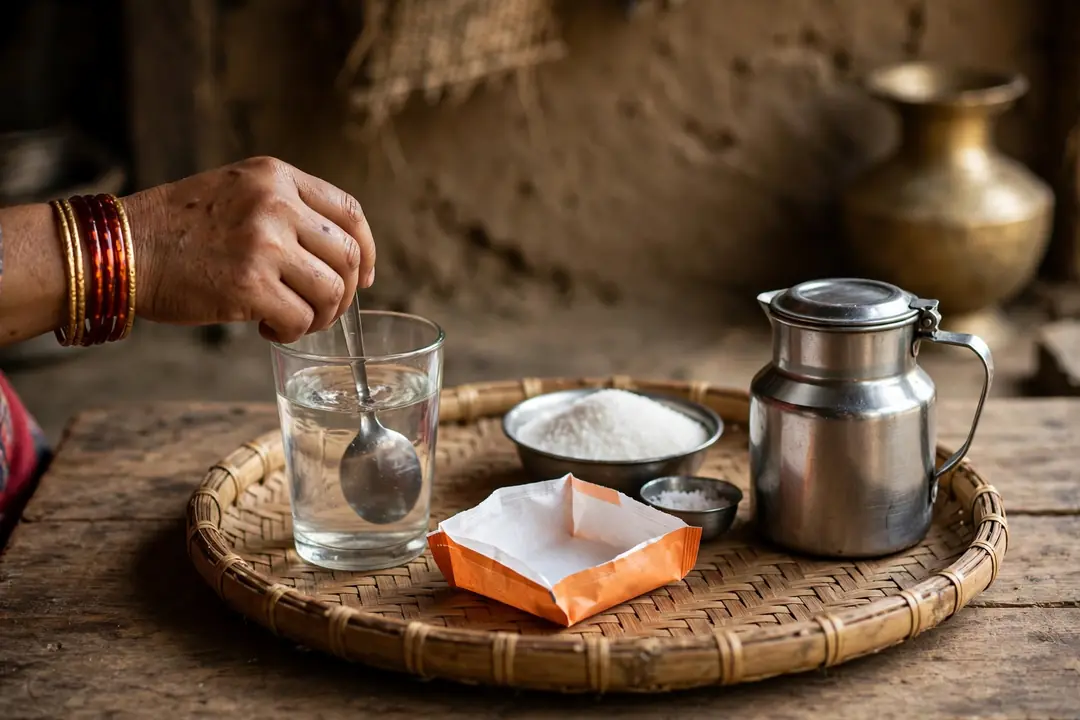
The main treatment is replacing lost water and salts, fast. Most people can be treated successfully with oral rehydration solution (ORS), sipped often in small amounts, starting at once — WHO notes prompt ORS treats most cases. Keep giving ORS after every loose stool, and keep breastfeeding babies.
मुख्य उपचार भनेको गुमेको पानी र नुन छिटो फर्काउनु हो। धेरैजसो मानिसको उपचार जीवनजल (ORS) बाट सफलतापूर्वक गर्न सकिन्छ — तुरुन्तै सुरु गरेर, अलिअलि गरेर बारम्बार पिउने; समयमै जीवनजल दिँदा धेरैजसो अवस्था निको हुन्छ भनी WHO भन्छ। हरेक पातलो दिसापछि जीवनजल दिइरहनुहोस्, र शिशुलाई स्तनपान गराइरहनुहोस्।
People who are severely dehydrated need fluids through a vein in a health facility, and the team will watch pulse, blood pressure and urine closely. Antibiotics are used only for severe cases and are chosen by the doctor; they do not replace fluids. Children may also be given zinc as part of standard care. Do not take anti-diarrhoea medicines from the shop to try to stop cholera at home.
गम्भीर रूपमा शरीरमा पानीको कमी भएका व्यक्तिलाई स्वास्थ्य संस्थामा नसाबाट तरल पदार्थ चाहिन्छ, र टोलीले नाडी, रक्तचाप र पिसाब नजिकबाट हेर्छ। एन्टिबायोटिक गम्भीर अवस्थामा मात्र प्रयोग हुन्छ र डाक्टरले छान्नुहुन्छ; त्यसले तरल पदार्थको ठाउँ लिँदैन। बालबालिकालाई मानक हेरचाहको भागका रूपमा जिंक पनि दिन सकिन्छ। घरमा हैजा रोक्न पसलबाट दिसा रोक्ने औषधि नखानुहोस्।
Drink only safe water — boiled, treated or from a trusted source — and store it in a clean, covered container. Wash hands with soap before eating and preparing food, and after using the toilet or caring for someone who is ill. Cook food well, eat it hot, and peel fruit yourself.
उमालेको, उपचार गरिएको वा भरपर्दो स्रोतको सुरक्षित पानी मात्र पिउनुहोस्, र त्यसलाई सफा, ढाकिएको भाँडोमा राख्नुहोस्। खाना खानुअघि र बनाउनुअघि, र शौचालय प्रयोग गरेपछि वा बिरामीको हेरचाह गरेपछि साबुनले हात धुनुहोस्। खाना राम्ररी पकाउनुहोस्, तातै खानुहोस्, र फलफूल आफैं ताछेर खानुहोस्।
Use a toilet or latrine, and keep faeces away from water sources. During an outbreak, follow health authority advice closely, and ask your health worker whether oral cholera vaccine is being offered in your area — WHO recommends it together with water and sanitation improvements, not instead of them.
शौचालय प्रयोग गर्नुहोस्, र दिसालाई पानीको स्रोतबाट टाढा राख्नुहोस्। प्रकोपका बेला स्वास्थ्य अधिकारीको सल्लाह ध्यान दिएर पालना गर्नुहोस्, र तपाईंको क्षेत्रमा मुखबाट दिइने हैजाको खोप दिइरहेको छ कि छैन स्वास्थ्यकर्मीलाई सोध्नुहोस् — WHO ले पानी र सरसफाइ सुधारको सट्टा होइन, सँगसँगै खोपको सिफारिस गर्छ।
Myth: If water looks clean, it is safe from cholera. Fact: Even clear-looking water can carry cholera bacteria. Water must be treated — boiled, chlorinated or from a safe source — and hands washed with soap before eating and after using the toilet.
भ्रम: पानी सफा देखिए हैजाबाट सुरक्षित हुन्छ। तथ्य: सफा देखिने पानीमा पनि हैजाको जीवाणु हुन सक्छ। पानी उमालेर, क्लोरिन हालेर वा सुरक्षित स्रोतबाट लिएर उपचार गर्नुपर्छ, र खानुअघि र शौचालय प्रयोग गरेपछि साबुनले हात धुनुपर्छ।
Myth: Cholera is a mild stomach upset that always passes on its own. Fact: The opposite is true. Cholera can kill within hours if untreated, WHO warns, but with quick ORS and care, deaths among treated hospital patients can be kept below 1%.
भ्रम: हैजा भनेको आफैं निको हुने हल्का पेटको गडबडी हो। तथ्य: यसको ठीक उल्टो सत्य हो। उपचार नभए हैजाले केही घण्टाभित्रै ज्यान लिन सक्छ भनी WHO ले चेतावनी दिन्छ, तर छिटो जीवनजल र हेरचाह पाए अस्पतालमा उपचार पाएका बिरामीको मृत्यु १% भन्दा कममा राख्न सकिन्छ।
Yes, during an outbreak it spreads fast through shared water and food. Safe water, handwashing and quick treatment of every case matter.
हो, प्रकोपका बेला यो साझा पानी र खानाबाट छिटो फैलिन्छ। सुरक्षित पानी, हात धुनु र हरेक बिरामीको छिटो उपचार महत्त्वपूर्ण छ।
Yes. Many people have mild illness or no symptoms, but can still pass the bacteria to others. Treatment and safe water still matter.
हो। धेरैमा हल्का रोग हुन्छ वा लक्षण नै हुँदैन, तर अरूलाई जीवाणु सार्न सक्छन्। उपचार र सुरक्षित पानी अझै महत्त्वपूर्ण छन्।
No. Food does not replace lost water and salts. The person needs ORS or, if severely dehydrated, fluids through a vein in a facility.
होइन। खानाले गुमेको पानी र नुन फर्काउँदैन। व्यक्तिलाई जीवनजल चाहिन्छ वा, गम्भीर पानीको कमी भए, संस्थामा नसाबाट तरल पदार्थ दिनुपर्छ।
No. Antibiotics are only for severe cases, chosen by the doctor. Replacing fluids is the main treatment for everyone.
होइन। एन्टिबायोटिक गम्भीर अवस्थामा मात्र, डाक्टरले छानेर, प्रयोग हुन्छ। तरल पदार्थ फर्काउनु नै सबैका लागि मुख्य उपचार हो।
WHO says oral cholera vaccine should be used with better water and sanitation in high-risk areas. Ask your health worker if it is offered near you.
उच्च जोखिम भएका क्षेत्रमा राम्रो पानी र सरसफाइसँगै मुखबाट दिइने हैजाको खोप प्रयोग गर्नुपर्छ भनी WHO भन्छ। नजिक दिइरहेको छ कि छैन स्वास्थ्यकर्मीलाई सोध्नुहोस्।
Facts on this page were checked against these sources in November 2026.
यस पृष्ठका तथ्यहरू नोभेम्बर २०२६ मा यी स्रोतहरूसँग जाँचिएका हुन्।
यो मार्गदर्शन सामान्य शिक्षाका लागि हो, निदान वा व्यक्तिगत उपचार योजना होइन। योग्य चिकित्सकले तपाईंका लक्षण र स्वास्थ्य इतिहास मूल्याङ्कन गर्नुपर्छ।
यो मार्गदर्शन सामान्य शिक्षाका लागि हो, निदान वा व्यक्तिगत उपचार योजना होइन। योग्य चिकित्सकले तपाईंका लक्षण र स्वास्थ्य इतिहास मूल्याङ्कन गर्नुपर्छ।
Every NepalDoc section, one tap away.
